




How Much Does an Outdoor Kitchen Cost in Texas?
How much does an outdoor kitchen cost in Texas? A simple modular island may cost less than $5,000, while a permanent custom kitchen often ranges from $15,000 to $35,000. Complete outdoor living spaces can exceed $100,000. The final price depends on the space, grill/appliances, cabinetry, countertops, utilities, construction, and how extensively you plan to entertain. Here is what Texas homeowners can realistically expect at each level.
What Determines the Cost of an Outdoor Kitchen in Texas?
- Modular or permanent construction
Freestanding modular kitchens avoid much of the masonry, site preparation, and skilled labor required for a permanent outdoor kitchen.
- The size and layout
A compact island costs considerably less than a large L-shaped or U-shaped kitchen with multiple cooking and serving areas.
- The grill and cooking equipment
Built-in grills range from approximately $1,500 to more than $8,000. Smokers, pizza ovens, griddles, and side burners increase the total quickly.
- Cabinetry and countertops
Powder-coated aluminum offers a durable modular option, while custom stonework, masonry, and premium countertops require more material and labor.
- Gas, electrical, and plumbing work
Long utility runs, new electrical circuits, sinks, drainage, and permitting can add thousands of dollars to a permanent installation.
- Outdoor refrigeration
An outdoor-rated refrigerator commonly adds $800 to $2,500. Beverage centers, ice makers, and full bars cost considerably more.
- Professional installation
Some modular kitchens can be assembled by the homeowner. Permanent kitchens typically require several skilled trades and professional project coordination.
- Shelter and weather protection
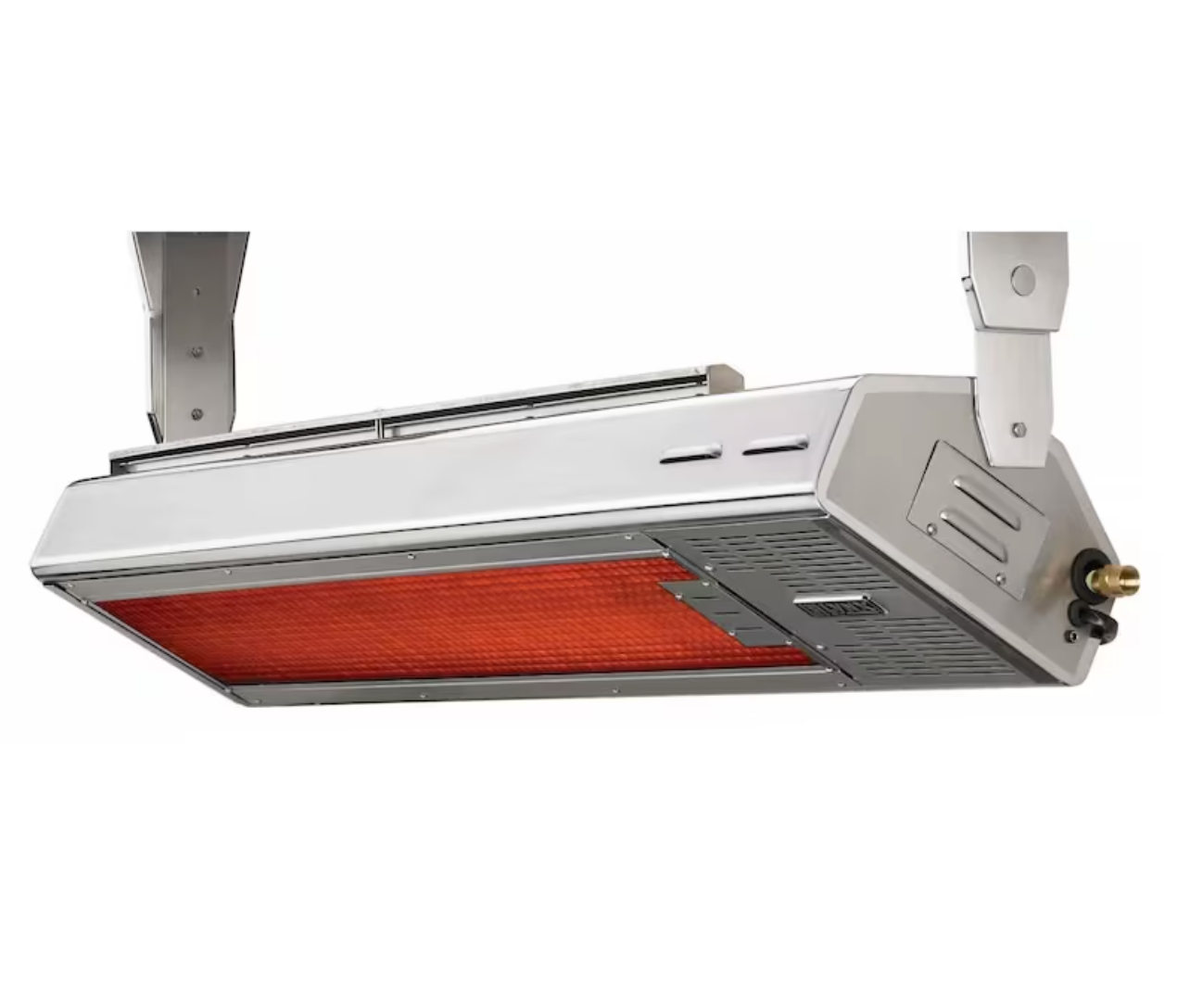
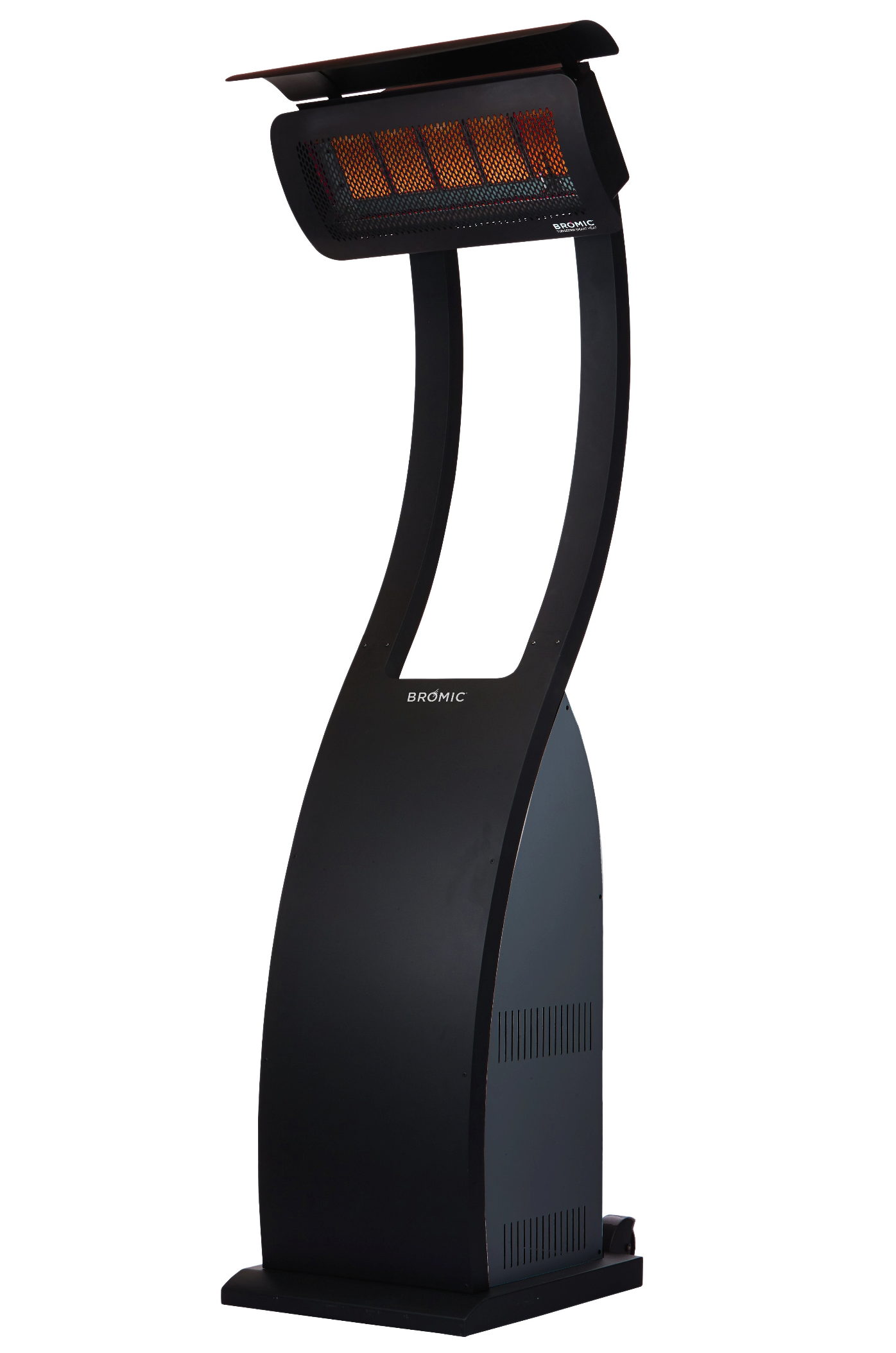
Pergolas, pavilions, roofing, lighting, fans, heaters, and misting systems can transform a kitchen into a complete outdoor room, but they also substantially increase the budget.
- Entertainment and landscaping features
Televisions, sound systems, pools, fireplaces, seating areas, and new hardscaping are often what push an outdoor kitchen project toward or beyond $100,000.
Where Your Outdoor Kitchen Budget Actually Goes
Ask ten Texas homeowners what they paid for their outdoor kitchen, and you will get ten very different answers. One spent about $4,000 on a freestanding island for a patio in Bee Cave. Another put six figures into a covered outdoor living room in Barton Creek. Both are outdoor kitchens. Both were the right call for the people who built them.
That spread is exactly why outdoor kitchen cost is such a slippery question, and why a single number rarely helps anyone. At BBQ Outfitters, the Central Texas team in Austin and San Antonio has designed and supplied these spaces since 1998, and the first thing they will tell you is that the price follows the plan, not the other way around. What you spend depends on how permanent the build is, how much cooking and entertaining you actually do, and how many trades have to touch the project.
This guide walks through outdoor kitchen costs in Texas at three broad levels, from a simple modular setup you could assemble yourself to a six-figure outdoor room. The point is not to hand you a price tag. It is to explain how and why the numbers move, so you can figure out which level fits your space and your budget.
What Every Good Outdoor Kitchen Needs, No Matter the Budget
Before the money talk, it helps to know what you are actually paying for. Every outdoor kitchen that gets used, whether it costs five thousand dollars or eighty, shares the same short list of essentials. Skip one of these and the space tends to sit unused, no matter how much you spent.
The first is cooking equipment that matches how you cook. A weekend burger griller and a brisket-obsessed pitmaster need very different setups. Get this wrong, and everything built around it is compromised.
The second is prep and landing space. You need somewhere to set a tray going onto the grill and somewhere to set the food coming off it. Counters that are too short are the most common regret we hear about, at every price point.
Third is storage. Tools, fuel, and platters have to live somewhere close by, ideally sealed against weather and pests.
Fourth is durable materials, because a Texas summer is hard on anything left outside. Aluminum, stainless steel, stone, and outdoor-rated finishes hold up well here.
Fifth is safe utilities. Gas, electrical, and any water connections need to be done correctly and to code, which is where cutting corners gets genuinely dangerous. Sixth is refrigeration where it makes sense, so you are not walking inside every time someone wants a cold drink.
Last, and most overlooked, is a layout built around how you actually move. Sensible traffic flow, a grill that is not crammed into a corner, and a work triangle that fits your habits matter more than any single appliance. A well-planned four-thousand-dollar island beats a poorly planned forty-thousand-dollar one every time.
Level 1: Simple and Modular Outdoor Kitchens
The most affordable way into a real outdoor kitchen is a freestanding, modular system. Challenger Designs is a good example of where this level starts, and it is a line BBQ Outfitters works with often.
Challenger builds its cabinetry from powder-coated aluminum rather than masonry or steel. That choice does a lot of work. Aluminum will not rot, warp, or rust; it comes with a lifetime warranty, and it costs roughly half as much as steel. Because the units are light and freestanding, they can sit on a deck, a patio, or even a rooftop or balcony without pouring a concrete base. That is a big reason BBQ Outfitters reaches for these systems in smaller spaces and balconies where heavy construction is not practical.
The line comes in a few forms. The Coastal collection is a set of pre-designed islands that arrive ready to use with the countertop already in place, which is about as close to plug-and-play as an outdoor kitchen gets. The Canyon collection is built-in cabinetry meant to drop into existing hardscape or masonry. And a fully custom modular path lets you keep adding cabinets and components until the kitchen has everything you want. Corner kits make L-shaped and U-shaped layouts straightforward, and yes, standalone islands are very much part of the offering.
There are sensible limits at this level. A pre-designed Coastal island fits most built-in grills up to 32 inches and a compact refrigerator, while the custom route opens up larger grills and full-size appliances. You can add a sink with an on-demand water system or plumb it into a real water line if one is nearby.
On price, plan on the island itself- meaning the cabinetry and countertop before appliances- running from roughly three thousand to six thousand dollars or more, depending on size, finish, and configuration. Add your grill and refrigeration on top of that, and a complete modular setup often lands in the mid-single-digit thousands to low five figures. Because Challenger pricing shifts with configuration and finish, and because BBQ Outfitters does not publish set prices online, it is worth confirming current numbers with them directly.
Installation is where this level really saves money. Some buyers assemble these kitchens themselves at their own pace. For those who would rather not, BBQ Outfitters offers professional assembly and installation, and a straightforward setup like a prefab island with a built-in grill and a mini fridge can often be handled by a two-person crew in roughly half a day to a full day. You could be grilling that weekend.
This level stays affordable for one reason. You skip nearly all the permanent construction that drives costs elsewhere. No foundation, no masonry, no framing, no long gas and electrical runs, and usually no permits or drainage work. Remove those line items and the total drops fast. For many homeowners in places like Lakeway or Alamo Heights, that trade is exactly right.
Level 2: Permanent Custom Outdoor Kitchens
The moment you decide the kitchen should be a permanent part of the house, the math changes. This is the built-in, masonry, or permanent-cabinet outdoor kitchen most people picture, and it is where costs climb because the project stops being a product and becomes construction.
At this level, you are paying for a built-in grill set into a permanent structure, custom cabinetry or stone and stucco masonry, fabricated countertops, refrigeration, a sink, and often extra cooking appliances like a side burner or pizza oven. Around all of that sits the real cost driver: the trades. Running a gas line, adding electrical circuits, plumbing a sink with proper drainage, preparing the site, pulling permits, and paying for skilled labor all stack up quickly.
It helps to see where the money goes. A quality built-in gas grill runs about $1,500 to $5,000 for a solid mid-range model. Outdoor-rated countertops in granite, concrete, or porcelain typically cost fifty to two hundred dollars per square foot installed, which puts a normal island somewhere between roughly seven hundred fifty and four thousand dollars in stone alone. An outdoor refrigerator adds $800 to $2,500. A sink is cheap on its own, but running water and drainage to it can add several thousand. Bringing gas, water, and electric to the space commonly adds another two thousand to five thousand or more, and permits, while modest at a couple hundred dollars, can add weeks to the timeline.
Add those pieces up and a realistic range emerges. Across Texas, a mid-range permanent outdoor kitchen usually lands somewhere between about fifteen thousand and twenty-five thousand dollars. A compact six-foot built-in setup can come in closer to $8,000 to $15,000, while a larger twelve-foot kitchen with more storage, more counter space, and multiple built-ins can run $18,000 to $35,000 or higher. Texas homeowners catch a small break here, since labor and materials tend to run lower than in coastal markets like Los Angeles or the Northeast, where the same build can cost a third more.
This is also the level where a single point of contact earns its keep. A permanent build usually needs three or four different trades, and coordinating them yourself is a headache most people did not sign up for. BBQ Outfitters designs the kitchen, supplies the equipment, and connects you with vetted contractors in your area, then stays involved from permitting through the final burner test so you aren't left playing general contractor. Whether the project sits in Steiner Ranch, Stone Oak, or Fair Oaks Ranch, that hand-holding is often the difference between a kitchen that gets finished and one that stalls.
Level 3: The Hundred-Thousand-Dollar Outdoor Kitchen
So why would anyone spend $100,000 or more? The honest answer is that at this level you are not really buying a kitchen anymore. You are building an outdoor room, and often the most-used room on the property.
A six-figure project is a complete outdoor living and entertaining space. The cooking side alone usually includes premium equipment from brands like Lynx, Hestan, or Twin Eagles, all of which BBQ Outfitters carries. A single professional-grade built-in grill from one of these makers can run eight thousand dollars or more before anything else is installed. Then come the extra stations: a dedicated smoker, a pizza oven, a power burner, a griddle, a beverage center or full bar.
From there the project expands well past the cooking zone. Think extensive stone cabinetry and large runs of countertop, a covered structure like a pergola or a full pavilion, integrated lighting, an outdoor television and sound system, heaters for winter evenings, ceiling fans or misting for August afternoons, and all the utility work to support it. Many of these builds are coordinated with a pool, a fire feature, and full landscaping and hardscape, so the outdoor kitchen is one part of a much larger backyard.
Homeowners in areas like Westlake Hills or Boerne who take on a project this size are usually after one specific thing: a space where thirty people can gather comfortably and no one has to keep running inside. When that is the goal, the budget reflects a genuine addition to the home rather than an accessory to the backyard. It is a big number, but for the right household it is spent on something used almost every week of the year.
So What Should You Actually Budget for an Outdoor Kitchen in Texas?
If you want a rough map, here's what it looks like. A modular setup gets you cooking for something in the low five figures or less. A permanent custom kitchen for a family that entertains regularly tends to land in the fifteen thousand to thirty-five thousand range. And a full outdoor living space climbs from there, sometimes well past a hundred thousand, depending on how far the entertaining and the finishes go.
But the most useful question is not how much an outdoor kitchen costs. It is which level actually fits the way you live. A modular island you use every Friday night is a far better investment than an elaborate build that looks great in photos and sits cold most of the year. The test worth applying is simple: three years from now, will you still like it and still use it?
That is the conversation worth having before you spend anything. If you are weighing your options anywhere around Austin or San Antonio, the team at BBQ Outfitters is happy to talk through your space, your habits, and your budget, and help you land on the level of outdoor kitchen that makes sense for you. There is no wrong starting point, and sometimes the honest answer is that a simple setup is all you need.

