




Is Your Outdoor Kitchen Ready for Holiday Hosting in Austin or San Antonio?
Get your outdoor kitchen ready for holiday hosting in Austin or San Antonio. This article explains grill maintenance, affordable patio upgrades, heating, seating, and layout improvements to help you host Thanksgiving, Christmas, and New Year’s gatherings on any budget.
10 Ways to Prepare Your Outdoor Kitchen for Holiday Hosting
- Test your grill before the gathering. Run a practice cook at the temperature and duration your holiday menu requires.
- Schedule grill maintenance early. Leave time to address ignition problems, uneven heat, worn parts, or equipment that needs replacing.
- Stock enough fuel. Keep spare propane, pellets, or charcoal ready for longer cooks and unexpected delays.
- Start with free and affordable improvements. Clear counters, rearrange furniture, borrow chairs, or add a folding table before committing to larger purchases.
- Separate cooking, serving, and drinks. Give guests a clear route to food and seating without crowding the grill.
- Improve outdoor lighting and warmth. Light cooking and dining areas, and position patio heaters according to manufacturer clearances.
- Choose cooking equipment around your menu. Compare a rotisserie, smoker, turkey fryer, side burner, or griddle based on capacity, space, and year-round usefulness.
- Match the layout to the holiday. Thanksgiving crowds, Christmas dinners, and New Year’s parties place different demands on seating and serving space.
- Recognize when permanent upgrades need more time. Modular cabinets, replacement built-ins, and custom outdoor kitchens involve different installation requirements.
- Have a weather backup plan. Decide where guests, food, and furniture will move if Central Texas weather changes.
Outdoor Kitchen Upgrades for Holiday Hosting in Austin and San Antonio: Options for Every Budget
If you already have an outdoor kitchen or a solid grilling area, you are probably closer to holiday-ready than you think. Most homes do not need a new build to host well. They need equipment that works on the day, enough surface to set food down, a place for guests to sit away from the cook, and a plan for when the weather turns.
That is the short answer. The longer one depends on how many people are coming, what you plan to cook, and how much you want to spend.
At BBQ Outfitters, we talk with homeowners in Austin and San Antonio every season who are working through exactly this. The approach that makes the most sense is simple: test what you have, figure out what your gathering actually requires, and spend only where there is a real gap.
Whether it’s a packed house on Thanksgiving, a family Christmas, or a formal New Year's… here is how we would think through holiday hosting with the space you already have.
Why move part of the gathering outside at all?
Because the indoor kitchen is almost always the bottleneck.
On Thanksgiving, the oven is spoken for by midmorning, every burner is in use, and half the guests are standing between the stove and the refrigerator. A working outdoor kitchen takes one large job off the indoor kitchen, whether that is the turkey, a ham, or a brisket. It also gives people somewhere else to be.
Central Texas helps here. Holiday weather is often mild enough to spend much of the day outdoors. It is also unpredictable. A shirt-sleeve Thanksgiving can be followed by a cold, windy New Year's Eve. So plan to use the outdoor space, and plan for what happens if you can't.
What should you check on the equipment you already own?
Start here, before buying anything. Do a real test cook well before the gathering, not a quick light-and-close.
- Light every burner and confirm each one ignites on its own. Look for a steady, even flame. Then run the grill at the temperature you will actually use, for about as long as you will need it. A grill that handles twenty minutes of burgers may struggle to hold a steady moderate temperature for three hours with a large bird inside. Check the lid thermometer against a reliable probe thermometer while you are at it.
- If your grill has a rotisserie, load the spit and run the motor. Make sure you can find the forks, the counterweight, and the motor bracket. Check the spit's weight rating in your owner's manual against the size of the turkey you plan to buy.
- For pellet grills, clean out the firepot and run the auger. For ceramic cookers, inspect the gasket and make sure you have enough charcoal for a long cook plus a margin.
- Fuel deserves its own line. Keep a full spare propane tank, or confirm your natural gas supply works at every connection. Stock more pellets or charcoal than you think you need. Running out halfway through a holiday cook is one of the most avoidable problems.
- Then walk the space at the time of day you plan to host. In late December it is dark before six, so a Christmas dinner or New Year's party will run mostly after sunset. Is there enough light to see what is on the grill? Count the counter space that is actually clear once you set down the things that always live there. Count the outdoor seats that people would genuinely want to sit in.
When should you call for grill maintenance or repair?
As soon as your test turns up a problem. Weak or uneven flames, a burner that will not light, an igniter that clicks without sparking, or a regulator that seems off all deserve attention before guests arrive.
If you smell gas, turn off the supply and do not light the grill. A simple leak check is to brush soapy water on the connections with the gas on and the burners off. Growing bubbles mean a leak.
Our service team performs tune-ups and safety checks, including testing igniters, burners, valves, and regulators; inspecting connections; and replacing worn parts. Because BBQ Outfitters is an authorized dealer for the major outdoor kitchen brands we carry, we can also handle warranty claims and order parts. We cannot promise a specific appointment window, and some parts must be ordered, so the sooner you identify a problem, the more options you have. If a repair will not be done in time, decide now what you will cook on instead.
What modest additions solve the most common hosting problems?
Most hosting frustrations come down to a handful of problems, and many of them can be fixed without buying anything.
Nowhere to set food down
A folding table or a rolling cart next to the grill gives you a landing zone for platters, tools, and the thermometer. It also keeps raw and cooked food apart. If you already own one, this costs nothing.
Not enough seats
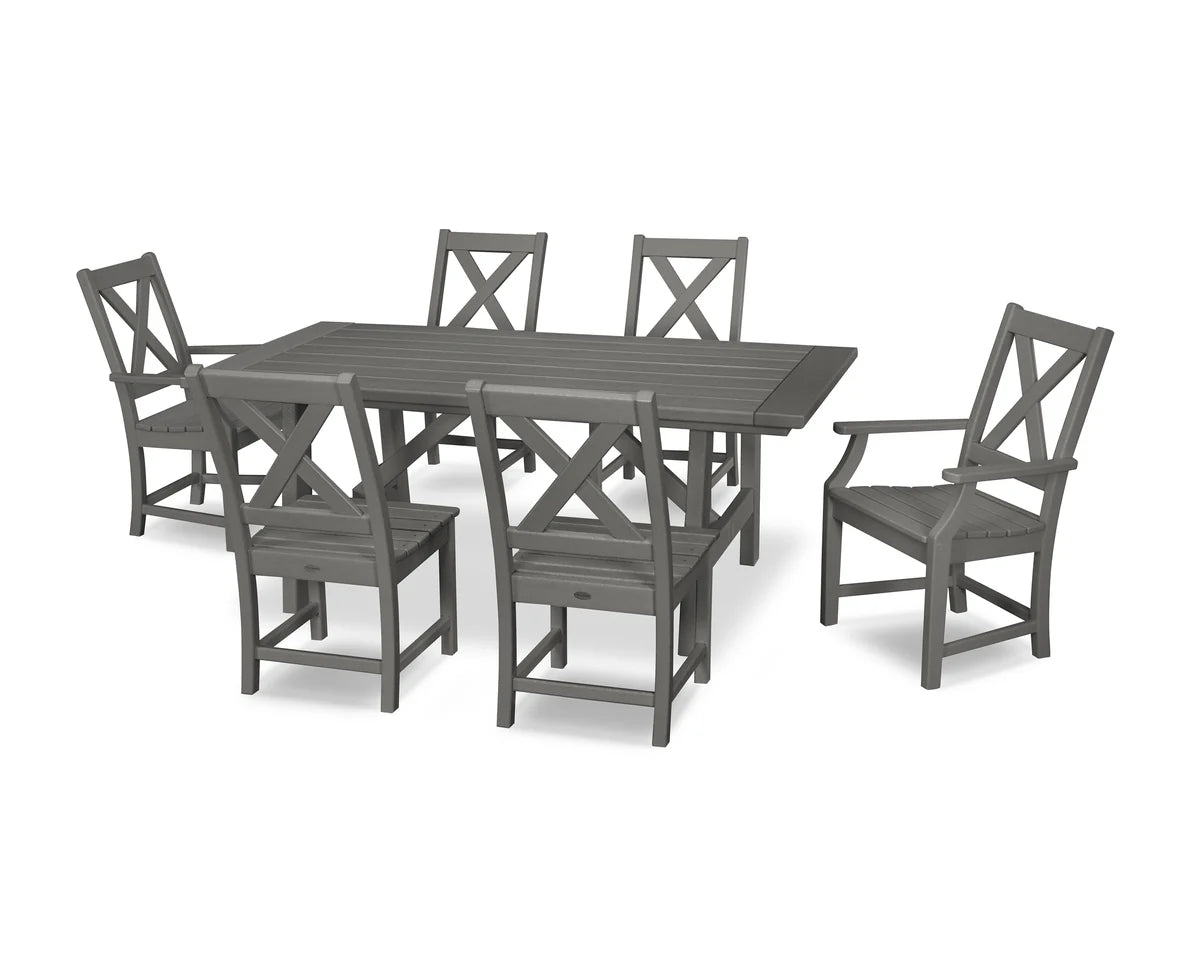
Borrow chairs from family or neighbors, or bring dining chairs out for the day. If you have been meaning to buy outdoor furniture, we carry Polywood, which holds up to sun and rain. Either way, arrange outdoor seating as a group so conversations do not happen in a line.
Too dark to cook or eat
Put focused light over the cooking surface so you can judge doneness, and softer light over the seating area. A clip-on grill light or a well-placed portable lamp may be all you need.
Too cold to stay outside
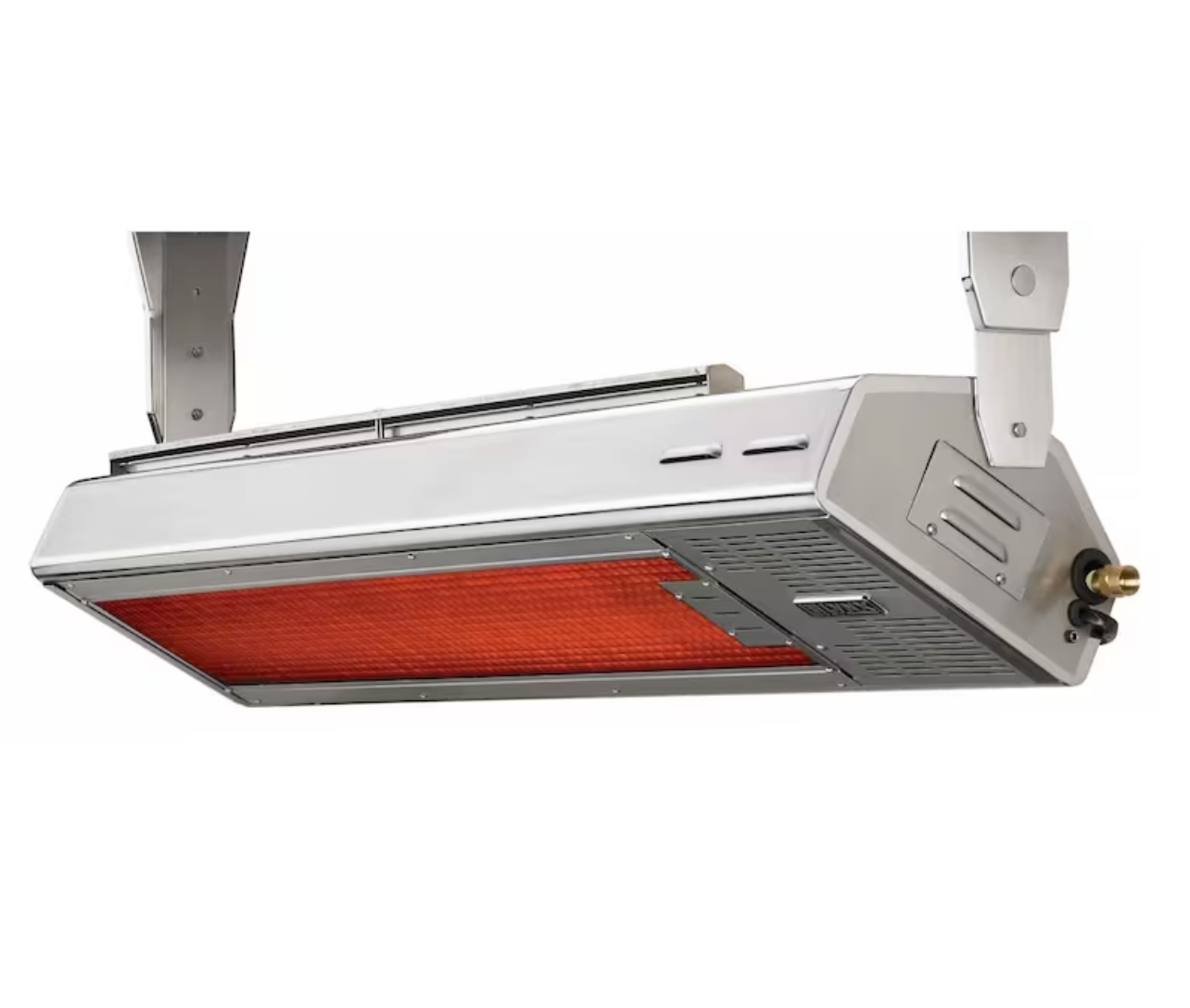
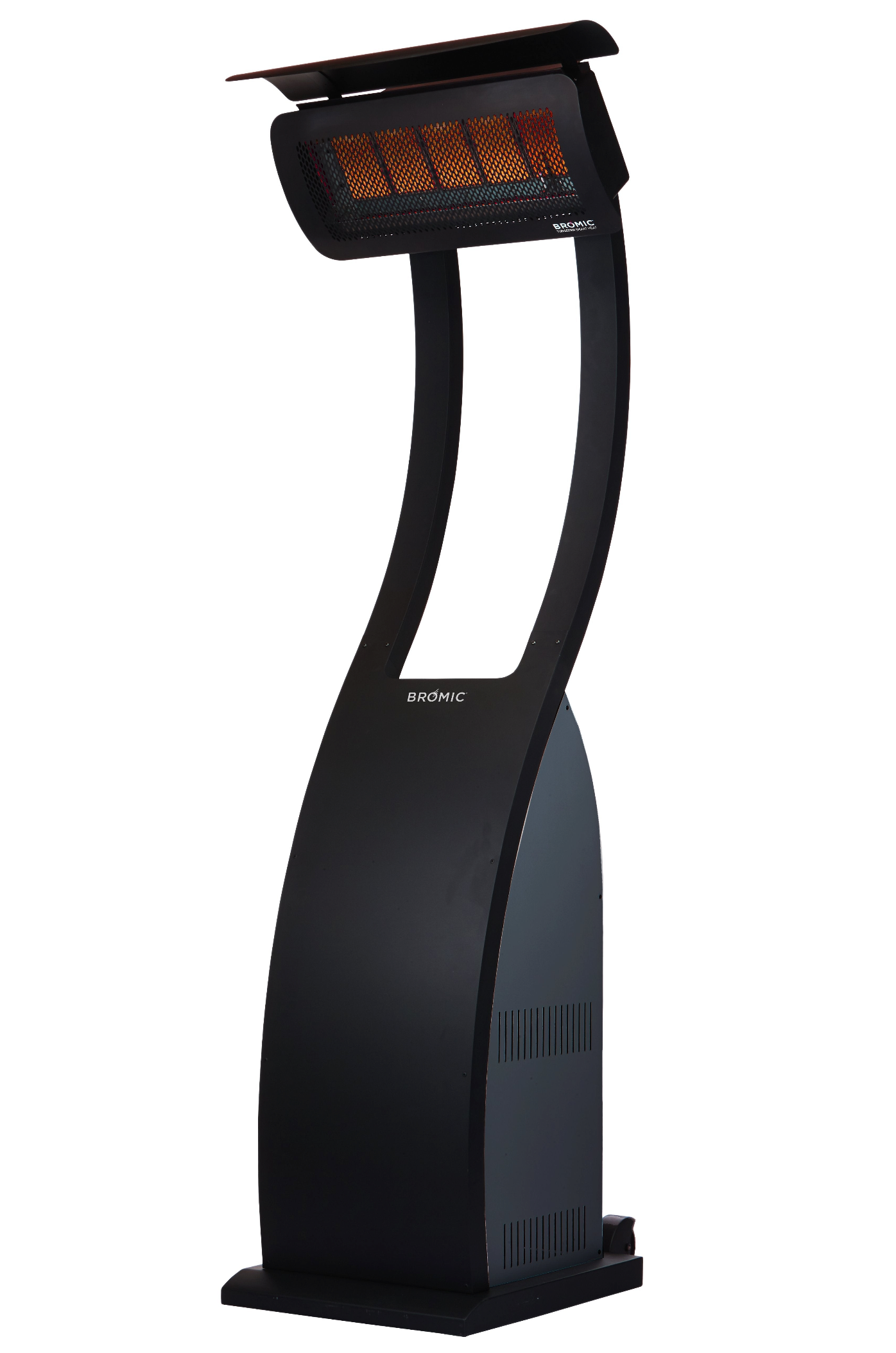
This is where outdoor heating earns its place. Portable gas heaters can be moved to wherever the crowd ends up. Mounted gas and electric heaters deliver steadier heat over a fixed area, such as a dining table under a patio cover. We carry gas and electric patio heaters from Bromic, Infratech, Lynx, and Twin Eagles. Many of the electric models run on 240 volts, which usually means an electrician and a dedicated circuit, so those are not last-minute purchases.
Whatever heater you use, follow the manufacturer's minimum clearances to ceilings, walls, furniture, and decorations. Do not use a portable propane heater in an enclosed or low-ceilinged space unless the manufacturer says it is rated for that. Keep heaters out of walkways where someone might bump them, and away from table linens and holiday garland.
Before buying anything, try the free fixes. Pressure wash the patio, clear the clutter off the counters, and move the planters and toys that have crept into the space. Sometimes rearranging is all a gathering needs. A little prep goes a long way when a stressful event is on the horizon.
How should you separate cooking space from serving space?
This is the decision that most affects how a holiday gathering feels, and it gets less attention than equipment.
The cooking zone is the grill or smoker plus the surface within arm's reach. It should hold tools, platters, and the thermometer, and it should be somewhere guests are not standing. Anyone cooking for a crowd needs room to turn around with a hot pan.
The serving zone should be somewhere else. Ideally, it sits between the back door and the seating area, so guests can fill a plate and sit down without passing the grill. A buffet line that runs alongside a hot grill creates a traffic jam and a safety problem at the same time.
Drinks matter more than people expect. Put the cooler or the bar at the far end of the space from the cook. Guests gather wherever the drinks are, and you want that gathering away from the fire.
Then trace the path a guest will take: out the door, to the food, to a seat, back for seconds. If that path squeezes past the grill, a heater, or a step down, rearrange it. Place seating away from the cook and out of the smoke. Pay attention to which way the wind usually blows on your patio on cool evenings, and seat people upwind.
Each holiday puts different pressure on that layout. Thanksgiving tends to be a long daytime gathering with a big crowd, so you may want the turkey outside, the sides inside, and the carving and serving near the door. Christmas often means a smaller sit-down dinner after dark, which shifts the focus to one well-lit table with heat over it. New Year's Eve is usually a standing crowd grazing late into the night, so high-top surfaces, small plates, steady heat, and good lighting count for more than a long dining table.
Is a turkey fryer, rotisserie, or smoker worth buying?
Only if it fits your menu, your cooking capacity, your space, and you expect to use it again after the holiday.
Turkey fryer. Frying cooks a typical bird in under an hour, freeing up the oven completely. It also requires several gallons of oil, plenty of open space, and careful handling. Use it outdoors on a level, noncombustible surface, well away from the house, the deck, and any patio cover. Never use it in a garage or under an overhang. The turkey must be fully thawed and dry. Measure the oil level beforehand with water and the bird so the pot does not overflow. Turn off the burner while lowering the turkey, never leave it unattended, and keep a fire extinguisher rated for grease fires nearby. Never use water on an oil fire. Turkey fryers are widely available from general retailers; ask our team before assuming we have one on hand.
Rotisserie accessory. If your grill is rotisserie-ready, a spit can cook a turkey with crisp skin while the oven handles everything else. Compatibility is specific to brand and model, and the spit's weight rating limits bird size. Bring us your grill's model number and we can tell you what fits. For Big Green Egg owners, we carry the Egg's rotisserie kit.
Smoker. A smoked turkey or ham moves the main dish outside entirely and leaves the grill free for sides. The trade-off is time and attention. We carry pellet grills from brands like Yoder and Traeger, ceramic cookers like Big Green Egg and Kamado Joe, and offset smokers. If you buy one, do at least one practice cook before the holiday. The first time you use a new smoker should not be with twenty people waiting.
Other appliances can help depending on the menu. A side burner keeps gravy warm or simmers black-eyed peas on New Year's Day without another trip inside. A freestanding griddle handles a crowd's breakfast the morning after. Built-in versions of these require a countertop cutout and fuel or power connections, which puts them in a different category from a freestanding unit you can roll into place.
When does a larger outdoor kitchen upgrade make sense?
Some problems a cart and borrowed chairs will not fix.
Replacing unreliable equipment. If your grill has failed more than once, has rusted-out burners, or needs parts that are no longer available, replacement may cost less over time than another repair. Swapping a freestanding grill is a near-term decision. Replacing a built-in depends on whether a new model fits your existing cutout. If it does, the swap is relatively simple. If it does not, the countertop may need modification, and that takes planning.
Adding permanent workspace. If counter space is the gap every time you host, freestanding modular cabinets are a realistic middle ground. Challenger Designs cabinets, which we carry, are built to be assembled without contractors or construction, so they can be in place much sooner than a masonry island. A full custom island with stonework, gas and electric runs, and permits is a different project. We coordinate those builds with experienced local contractors, and they typically run a month or more from approved design to finished kitchen.
Improving the layout. If the grill faces a wall, the same choke point jams up every gathering, or guests have no reason to leave the indoor kitchen, that is a design problem rather than an equipment problem. Those are best solved with a proper plan.
Our honest advice: do not rush a permanent project to meet a holiday deadline. Use this season to notice what did not work, whether that is a crowded corner in Lakeway or a patio in Alamo Heights that gets too dark too early. That list is the best possible starting point for a design conversation after the holidays.
What is your weather backup plan?
Decide ahead of time what conditions send things indoors and what moves when they do.
While people may congregate inside, cooking can often continue outside in cool or breezy weather. Expect longer cook times when it is cold, and wind will pull heat from a gas grill, so build in extra time. Rain is harder. Never move a grill, smoker, or fryer into a garage or under a low covered patio that was not designed for cooking, and never use a fryer under any cover.
The serving and seating plan is what usually moves. Know which table comes inside, where the buffet goes, and who will help carry it. If you put up a pop-up canopy over seating, anchor it well and keep it clear of heaters and any open flame. A cold snap is when patio heaters prove their value, as long as you place them with the clearances described above.
A quick holiday readiness checklist
- Test cook on every appliance you plan to use, at real temperatures and for real cook times
- Every burner lights, rotisserie motor runs, and thermometers read accurately
- Spare propane tank filled, or pellets and charcoal stocked with margin
- Any repairs or service requests made early
- Separate cooking, serving, and drink zones, with a clear guest path
- Enough seats, grouped away from the cook and the smoke
- Lighting for the cooking surface and the seating area
- Heaters placed to manufacturer clearances, away from walkways and decorations
- A fryer location away from the house, deck, and covers, with a grease-rated fire extinguisher nearby
- A decided plan for rain, wind, or cold
Questions as you get ready?
If you are trying to sort out whether your grill needs service, whether a rotisserie fits your model, or how to lay out your patio for a holiday crowd, our Austin and San Antonio teams are glad to talk it through. Bring your model numbers, a few photos of your space, and a rough guest count, and we can help you figure out what is worth doing now and what can wait.